


What Is the Relationship Between Molecular Hydrogen Water and Physical Exercise?
During physical activity, the body increases its energy consumption and the production of reactive molecules associated with metabolism. These processes are part of the normal response to exercise, although their intensity depends on factors such as workout duration, workload and fitness level.
In this context, molecular hydrogen (H₂) has attracted interest in sports research due to its potential influence on certain processes related to oxidative stress, muscle function and the perception of fatigue.
Molecular Hydrogen Water contains dissolved molecular hydrogen and is being studied as a possible complementary approach within training routines. However, its effects are not consistent across all studies, and it has not yet been established that it consistently improves athletic performance.
To understand its potential usefulness, it is worth examining what clinical trials say about three key areas: physical endurance, fatigue during exercise and subsequent muscle recovery.
How Could Molecular Hydrogen Influence Athletic Performance?
Research into molecular hydrogen in sport focuses on different biological mechanisms that could influence the body’s response to physical exertion.
Oxidative Stress and Cellular Balance
During exercise, the body produces reactive oxygen species, which play a role in physiological processes related to training adaptation. When their production exceeds certain regulatory mechanisms, an imbalance known as oxidative stress can occur.
Some studies are investigating whether molecular hydrogen can modulate certain oxidative responses and help maintain cellular balance during physical exertion.
However, indiscriminately reducing these molecules is not necessarily beneficial: reactive species are also involved in the signalling processes that allow the body to adapt to exercise. For this reason, the aim of research is not simply to eliminate all oxidative activity, but to understand how molecular hydrogen might influence these responses.
Fatigue and Perceived Exertion
Fatigue during exercise depends on multiple factors, including energy availability, exercise intensity, the accumulation of certain metabolites and the response of the nervous system.
Some research has observed changes in the subjective perception of exertion after consuming molecular hydrogen. This could be relevant in activities that require maintaining a high level of intensity for specific periods.
However, feeling that a workout is less demanding does not necessarily mean that physical capacity has objectively increased. To demonstrate a genuine improvement, parameters such as performance time, power output or the amount of work completed need to be assessed.
Muscle Recovery After Exercise
Post-exercise recovery is another area in which Molecular Hydrogen Water is being studied.
Some trials have evaluated markers related to muscle damage, post-exercise discomfort and the ability to repeat a demanding training session. Initial results suggest possible effects under certain circumstances, but findings are not consistent across all the measures analysed.
Therefore, it cannot yet be claimed that Molecular Hydrogen Water generally accelerates muscle recovery or prevents muscle soreness after every type of workout.
What Does the Scientific Evidence Say About Molecular Hydrogen Water and Sport?
In recent years, scientific reviews and clinical trials have been published, allowing researchers to assess the potential applications of molecular hydrogen in physically active people with greater precision.
A Systematic Review of Physical Performance
In 2024, a systematic review and meta-analysis was published, bringing together 27 publications and a total of 597 participants to investigate the potential effects of molecular hydrogen on different indicators of physical performance.
The researchers found promising results in some specific measures:
- Explosive power in the lower limbs: a statistically significant improvement was observed, although the effect was small.
- Perceived exertion: the results indicated a reduction in the subjective perception of effort during exercise.
- Blood lactate: the analysis found a reduction in measured levels during exercise.
However, no statistically significant improvements were observed in maximal oxygen uptake (VO₂max), aerobic endurance, 30-second anaerobic endurance or muscle strength.
In addition, the studies included used different methods of administering molecular hydrogen, not exclusively Molecular Hydrogen Water.
Source: Can molecular hydrogen supplementation enhance physical performance in healthy adults? A systematic review and meta-analysis, published in Frontiers in Nutrition in 2024.
A Study on Muscular Endurance During Training
In 2024, a randomised, double-blind, crossover trial examined the effects of hydrogen-rich water in 18 young men with training experience.
During the study, participants completed resistance training sessions and consumed either Molecular Hydrogen Water or control water during different phases of the protocol.
The researchers observed that, during the Molecular Hydrogen Water condition, participants completed a higher total number of repetitions and generated greater cumulative power during the half-squat exercise.
These findings are interesting because they assess performance during an actual training session.
Source: Effects of 8 days intake of hydrogen-rich water on muscular endurance performance and fatigue recovery during resistance training, published in Frontiers in Physiology in 2024.
What Has Been Observed in Elite Athletes?
In 2025, a randomised, double-blind, placebo-controlled clinical trial was published involving 22 elite athletes from disciplines such as handball and skeleton. The study evaluated the consumption of hydrogen-rich water generated using tablets.
The researchers observed favourable changes in some indicators, including muscle mass, fat mass and certain measures of explosive strength.
Source: Hydrogen-Rich Water Decreases Muscle Damage and Improves Power Endurance in Elite Athletes: A Randomized, Double-Blinded, Placebo-Controlled Trial, published in 2025.
Can Molecular Hydrogen Water Help Improve Recovery After Exercise?
Sports recovery involves several processes: replenishing energy stores, repairing tissues subjected to physical exertion and restoring the ability to train again at an appropriate intensity.
Some trials have found favourable results in certain markers of muscle damage and performance measures during the hours following exercise. However, other studies have not detected clear differences in muscle soreness or perceived recovery.
This variability may be due to differences in participant characteristics, type of exercise, duration of the intervention, amount of hydrogen administered and timing of consumption.
Which Factors Remain Essential for Recovery?
Regardless of the potential applications of molecular hydrogen, several factors remain essential for recovery after exercise:
- Adequate hydration: replenish fluids lost during physical activity according to individual needs.
- Sufficient nutrition: provide the energy, protein and other nutrients needed for recovery and muscle adaptation.
- Rest and sleep: allow the body to recover between sessions.
- Training planning: adjust workloads and recovery periods to each person’s physical capacity and goals.
Molecular Hydrogen Water does not replace these measures and should not be considered a substitute for sports nutrition strategies supported by scientific evidence.
Molecular Hydrogen Water and Sport: What Can We Conclude?
Research into molecular hydrogen in sport is progressing, and some findings point to potential effects on explosive power, perceived exertion and certain indicators related to muscle damage.
However, the evidence does not demonstrate consistent improvements in aerobic endurance, muscle strength or all recovery parameters. In addition, many studies involve small sample sizes, short interventions and different protocols.
Discover Lumi Vitae’s Molecular Hydrogen Water Solutions
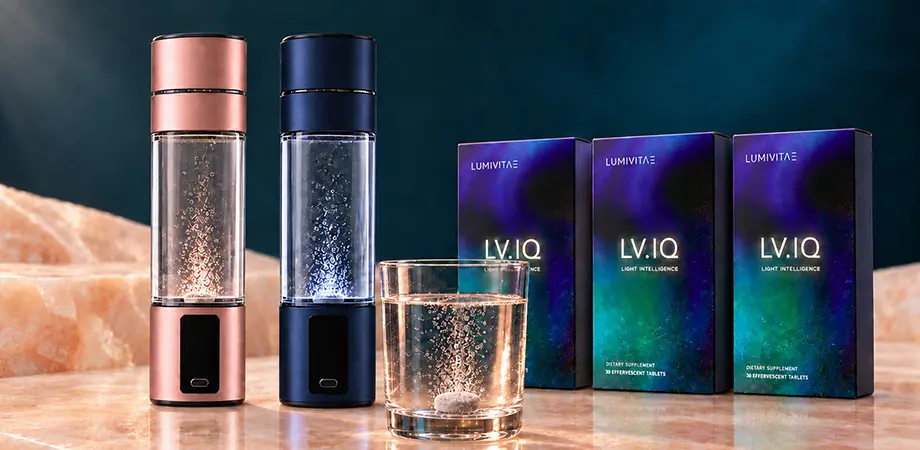
At Lumi Vitae, you’ll find solutions designed to make it practical to incorporate molecular hydrogen into your water as part of your everyday routine.
If you’re interested in exploring Molecular Hydrogen Water as part of your wellbeing and physical activity routine, you can discover our products and explore the available options for generating molecular hydrogen in water.
Research into its potential applications in sport continues to evolve. In the meantime, good hydration, proper nutrition, rest and a well-planned training routine remain essential foundations for supporting your performance.