
How Is Molecular Hydrogen Water Generated?
Molecular Hydrogen Water is water that contains dissolved molecular hydrogen (H₂). This gas is at the centre of numerous scientific studies exploring its potential effects on different biological processes, such as oxidative balance and certain metabolic responses.
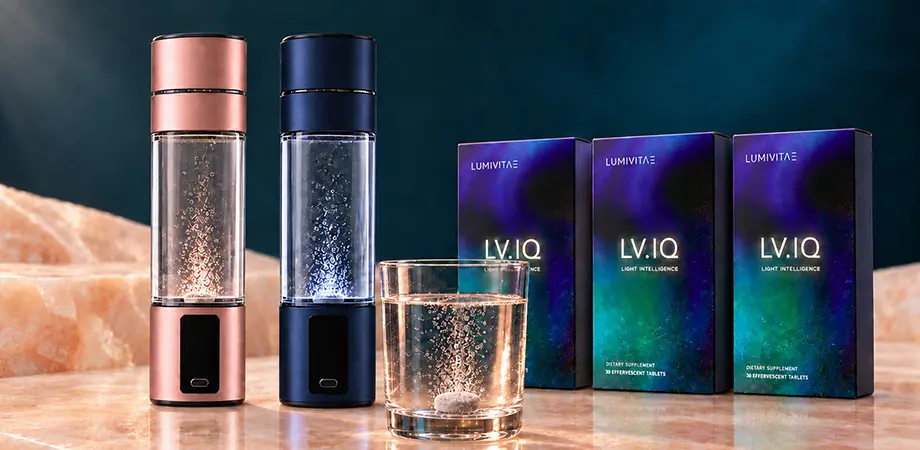
There are different methods for introducing molecular hydrogen into water. Two of the best-known options are hydrogen-generating bottles, which produce hydrogen through an electrochemical process, and tablets, which release hydrogen when they react with water.
Both options aim to produce water containing dissolved molecular hydrogen, but they differ in how they work, how they are prepared, their maintenance requirements and how they are used.
It is important to bear in mind that the final result does not depend solely on the method chosen. The concentration achieved, the quality of the device or tablet, and the conditions under which the water is consumed also influence its characteristics.
What Is a Molecular Hydrogen Water Generator Bottle?
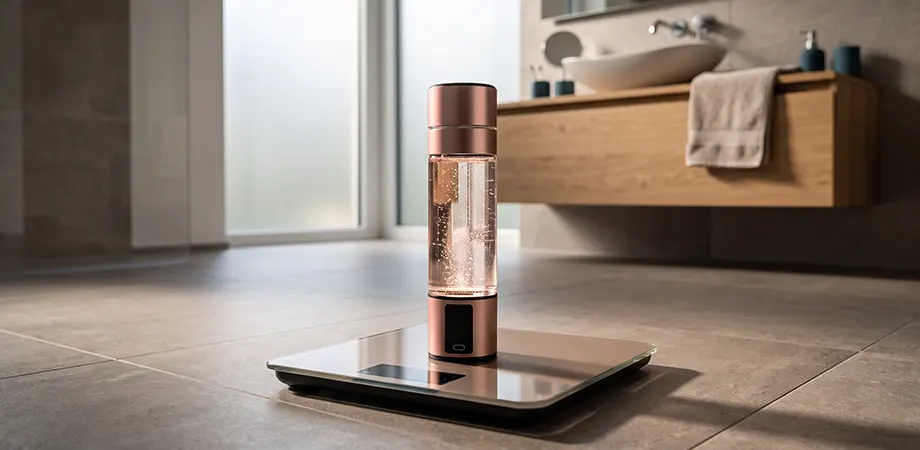
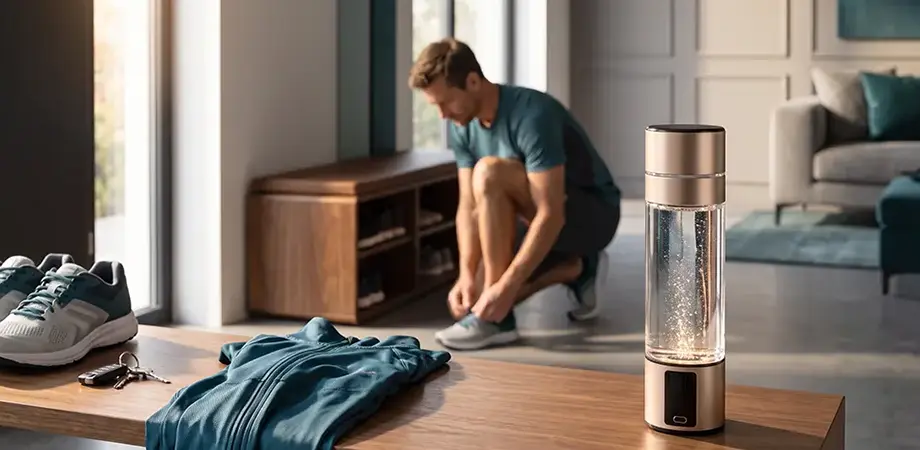
A Molecular Hydrogen Water generator bottle is a device designed to introduce molecular hydrogen into water through electrolysis. This process uses electrical energy to generate hydrogen from water through a system of electrodes.
In many models, a proton exchange membrane (PEM) helps separate the electrochemical reactions and limit the mixing of the gases produced. The specific features depend on the technology used in each device.
How Does It Work?
The process is usually straightforward:
- Fill the bottle with drinking water, following the manufacturer’s instructions.
- Activate the device to start the generation cycle.
- The system produces molecular hydrogen for a set period of time.
- Once the cycle is complete, the water is ready to drink, in accordance with the product instructions.
Some models allow you to select different operating cycles, while others use a preset programme.
The hydrogen concentration achieved depends on factors such as the bottle’s design, water quality, cycle duration and operating conditions. For this reason, it is worth checking the technical specifications rather than assuming that all bottles produce the same amount of hydrogen.
Advantages of Generator Bottles
- Reusable: they allow you to prepare Molecular Hydrogen Water repeatedly without having to buy a tablet for each preparation.
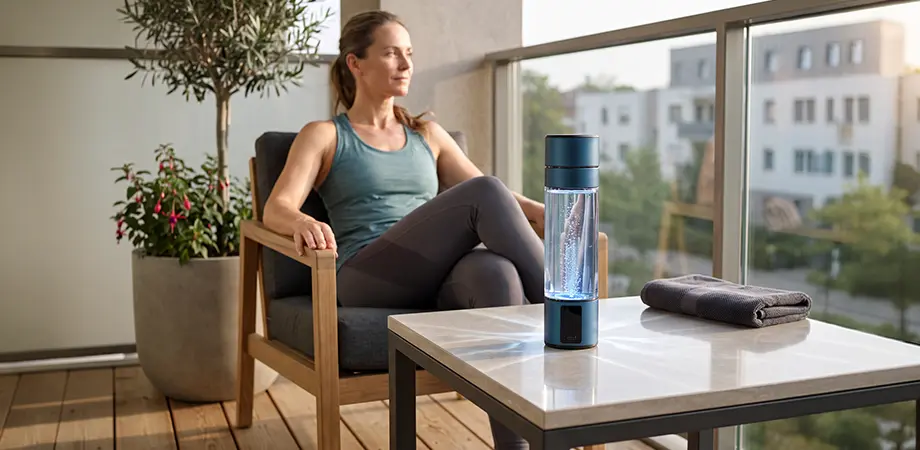
- Convenient for everyday use: once you have the device, you can generate water whenever you need it.
- Fewer consumables: they do not require tablets for each cycle, although they may need cleaning, recharging and component replacement, depending on the model.
- Controlled preparation: the generation cycle is usually defined by the device, making it easier to repeat the process by following the same instructions.
Things to Consider
A generator bottle requires an initial investment and needs regular maintenance. It also relies on a power source, usually a rechargeable battery.
In addition, quality and performance vary between models. It is advisable to check which technology they use, what hydrogen concentration they claim to achieve, how it has been measured, and what cleaning and maintenance instructions they provide.
What Are Molecular Hydrogen Tablets?
Molecular hydrogen tablets are products designed to release hydrogen when they come into contact with water. Some formulations contain magnesium and other components that react with water to generate molecular hydrogen.
During the reaction, some of the hydrogen produced may dissolve in the liquid. The amount that remains dissolved depends on the tablet’s formulation, the quantity and temperature of the water, the reaction time and the container used.
Not all tablets have the same composition or produce the same concentration. For this reason, it is important to follow the specific product instructions and check what information the manufacturer provides about its performance.
How Are They Used?
Preparation usually involves the following steps:
- Fill a container with the specified amount of water.
- Add the tablet and allow the reaction to complete for the recommended amount of time.
- Wait until the process is complete before drinking the water, following the manufacturer’s instructions.
Bubbles may appear during the reaction as gas is released. However, the number of visible bubbles alone cannot determine the final concentration of dissolved molecular hydrogen.
Advantages of Tablets
- Portability: they are usually easy to carry and take up very little space.
- Flexible preparation: they can be used with different compatible containers, provided the instructions are followed.
- No built-in battery: they do not require an electrical device to start the reaction.
- Lower initial investment: you generally do not need to purchase a specific generator bottle to start using them.
Things to Consider
Tablets are consumables, so you need to purchase new ones to continue preparing Molecular Hydrogen Water.
You should also consider their composition, storage conditions and preparation time. Some formulations may alter the mineral composition of the water or leave reaction residues, so it is worth checking the manufacturer’s specifications and using only products intended for this purpose.
Generator Bottle vs Tablets: Key Differences
Although both options allow you to prepare Molecular Hydrogen Water, their practical differences can play an important role when choosing between them.
1. How They Work and How They Are Prepared
The bottle generates hydrogen through an electrochemical process that requires electrical energy. Tablets, on the other hand, produce it through a chemical reaction when they come into contact with water.
With the bottle, you simply follow the specified operating cycle. With tablets, you need to add one and wait for the reaction to complete.
Neither method guarantees a specific concentration on its own: the result depends on the product’s characteristics and the conditions of use.
2. Short- and Long-Term Costs
A generator bottle usually requires a higher initial investment, but it can be reused over an extended period if properly maintained.
Tablets generally have a lower entry cost, although they involve a recurring expense with each preparation.
To compare the actual cost, consider the price of the device, the cost per tablet, how often you will use it, its estimated lifespan and its maintenance requirements. One option is not necessarily more economical than the other in every situation.
3. Portability and Convenience
Tablets are lightweight and easy to carry, especially when travelling or when space is limited. However, you will need access to water, a suitable container and a supply of tablets.
A generator bottle brings the preparation process together in a single reusable device. It may be more convenient for those who want to prepare Molecular Hydrogen Water regularly, provided they have access to a charged bottle and can follow the recommended conditions of use.
4. Molecular Hydrogen Concentration
This is one of the most important factors, but it is also one that needs to be assessed carefully.
The final concentration can vary between bottles and tablets. Knowing the generation time, the number of bubbles or the product’s marketing description is not enough to determine how much hydrogen remains dissolved in the water.
For a meaningful comparison, look for concentration data expressed in mg/L or ppm, together with information about the measurement method and the conditions under which the result was obtained.
It is also important to distinguish between the amount of hydrogen generated and the amount that actually remains dissolved in the water when it is consumed.
5. Maintenance and Residues
Generator bottles require cleaning and maintenance in accordance with the manufacturer’s instructions. Depending on the model, you may need to recharge the battery or replace certain components.
Tablets do not require electrical device maintenance, but they must be stored correctly and disposed of according to the product instructions. Depending on their formulation, they may leave mineral components or reaction residues in the water.
Which Option Is Best for You?
The best choice depends on how you want to incorporate Molecular Hydrogen Water into your routine and which aspects matter most to you.
Choose a Generator Bottle If…
- You want to prepare Molecular Hydrogen Water regularly.
- You prefer using a reusable device rather than buying consumables for each preparation.
- You value having the generation process integrated into a single bottle.
- You are willing to make the initial investment and maintain the device according to the instructions.
Choose Tablets If…
- You are looking for an easy-to-carry alternative.
- You prefer to start with a lower initial investment.
- You want to avoid relying on a battery or an electrical device.
- You find it practical to prepare each serving using a tablet and following the instructions.
In either case, it is important to choose quality products, check the available technical information and follow the preparation and storage recommendations.
It is also worth remembering that generating Molecular Hydrogen Water does not, in itself, demonstrate that specific clinical benefits will be achieved.
How to Choose a Molecular Hydrogen Water Solution Wisely
Regardless of the format, there are several aspects worth checking before making a purchase:
- Transparent technical information: check the stated hydrogen concentration and the conditions under which it was measured.
- Material quality: make sure that materials in contact with the water are suitable for their intended use.
- Clear instructions: the product should explain how to prepare, use and store it correctly.
- Maintenance and storage: check what care the device requires or how the tablets should be stored.
- Running costs: consider both the initial price and any recurring expenses, as well as how often you intend to use the product.
A comparison based on these criteria helps you make a more informed decision than simply choosing according to format, price or marketing claims.
Discover Lumi Vitae’s Molecular Hydrogen Water Solutions
At Lumi Vitae, you’ll find solutions designed to make it practical to incorporate molecular hydrogen into your water as part of your everyday routine.
Whether you’re looking for a reusable option to prepare Molecular Hydrogen Water regularly or prefer an easy-to-carry alternative, understanding the features of each product will help you find the format that best suits your routine.
Explore Lumi Vitae’s solutions, review their specifications and discover which option best meets your needs.