




What Is Oxidative Stress and How Does It Affect the Body?
Oxidative stress is a biological phenomenon that occurs when there is an imbalance between the reactive species generated by the body and its regulation and antioxidant defense mechanisms. Although these species take part in normal cellular processes, their excessive accumulation can contribute to damage to components such as proteins, lipids, and DNA.
This process is the subject of numerous studies because of its relationship with cellular aging and various metabolic and physiological alterations. Understanding how oxidative balance is regulated is essential for studying strategies that may help maintain the normal functioning of cells.
What Are Free Radicals and Reactive Species?
Free radicals are molecules or atoms that contain unpaired electrons and, as a result, are highly reactive. They are part of a broader group known as reactive species, which also includes molecules that are not free radicals, such as hydrogen peroxide.
These substances are produced naturally during processes such as cellular respiration and can also increase in response to intense exercise, exposure to certain pollutants, and other environmental factors.
It is important to note that reactive species are not exclusively harmful. In controlled amounts, they take part in cell signaling, immune responses, and adaptation to exercise. The problem arises when their production and regulation are no longer balanced.
How Does the Body Regulate Oxidative Balance?
The body has enzymatic and non-enzymatic antioxidant systems that help control reactive species. These include enzymes such as superoxide dismutase, catalase, and glutathione peroxidase, as well as various antioxidant molecules present in cells and obtained through diet.
These mechanisms work together to maintain redox balance, that is, the balance between the oxidation and reduction processes that allow cells to function.
For this reason, the biological goal is not to eliminate all reactive species, but to keep them within levels compatible with normal physiological processes.
What Is the Relationship Between Molecular Hydrogen and Oxidative Stress?
Molecular hydrogen (H₂) is a gaseous molecule that can dissolve in water and has attracted scientific interest for its possible influence on mechanisms related to oxidative stress.
Since the earliest studies on its biological effects, researchers have explored whether H₂ can take part in certain chemical reactions and cell signaling pathways linked to the oxidative and inflammatory response.
A scientific review published in 2025 examined the proposed mechanisms, highlighting the research potential of molecular hydrogen.
How Could Molecular Hydrogen Act?
One of the hypotheses under investigation is that molecular hydrogen could interact with certain highly oxidizing reactive species. Its possible indirect influence on the cellular pathways that regulate antioxidant defenses and the inflammatory response is also being studied.
Among the mechanisms analyzed are the pathways related to Nrf2, a regulatory factor for the expression of genes linked to cellular defense, and NF-κB, which is involved in various inflammatory responses.
Is Molecular Hydrogen a Conventional Antioxidant?
Not exactly. The scientific interest in molecular hydrogen is not limited to its possible direct interaction with certain reactive species. It is also being investigated whether it can influence the signaling mechanisms involved in regulating redox balance.
This sets it apart conceptually from the usual way of studying antioxidants found in food, although it does not mean that it is superior to them or that its effects are better demonstrated.
Research continues to evaluate which mechanisms are relevant under real physiological conditions and what results can be observed through different forms of administration, including water enriched with molecular hydrogen.
What Does the Scientific Evidence Say About Molecular Hydrogen?
Research on molecular hydrogen includes experimental studies, preclinical research, and clinical trials in humans. Taken together, these works have identified results of interest.
For this reason, it is necessary to differentiate between the effects observed under experimental conditions and the benefits that have been consistently demonstrated in people.
What Have Human Studies Observed?
A systematic review and meta-analysis published in 2024 examined molecular hydrogen supplementation and exercise-induced oxidative stress in healthy adults. It included six studies, with seven experiments and a total of 76 participants.
A modest improvement was observed in one indicator of antioxidant capacity, especially in studies related to intermittent exercise.
Has Molecular Hydrogen Water Been Shown to Reduce Oxidative Stress?
Some studies on water enriched with molecular hydrogen have described favorable changes in certain biological indicators. It is important to distinguish between studies that investigate inhalation of hydrogen gas, hydrogen-enriched water, and other forms of administration. They are not equivalent interventions, and their results should not be automatically extrapolated from one to another.
What Role Can Molecular Hydrogen Play in a Wellness Routine?
Interest in molecular hydrogen is part of broader research into the mechanisms that regulate oxidative balance and cellular function. However, its possible role should be understood within a comprehensive approach to health, without attributing to a single intervention the effects of habits and complex biological processes.
A varied diet, regular physical activity, adequate rest, and avoiding tobacco are important aspects of overall health. Molecular Hydrogen water does not replace these measures or the medical treatments prescribed for a specific condition.
What Should You Keep in Mind When Interpreting Its Possible Benefits?
To evaluate claims related to molecular hydrogen, it is worth checking which population was studied, which form of administration was used, which outcomes were measured, and whether the findings were replicated by other research teams.
It is also important to distinguish between a hypothesis about a biological mechanism and a demonstrated clinical benefit. This difference makes it possible to understand scientific progress without creating expectations that are not yet supported by the evidence.
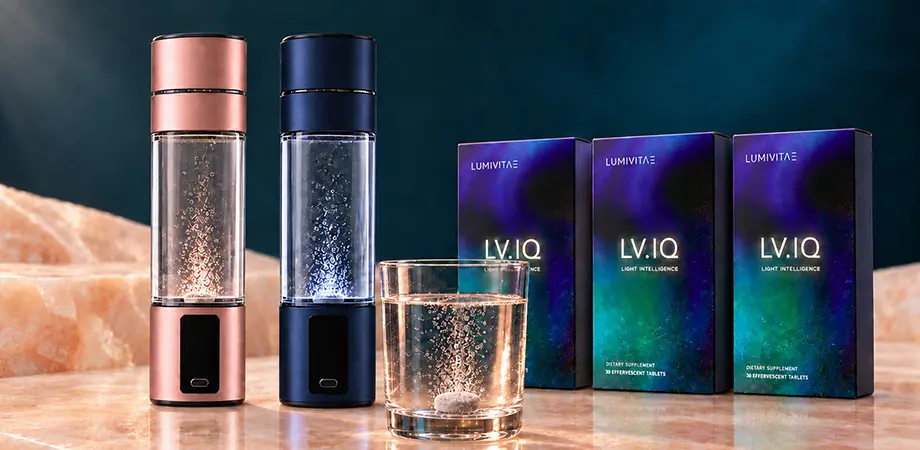
Discover Lumi Vitae’s Solutions for Molecular Hydrogen Water
Research on molecular hydrogen continues to expand our knowledge of its possible interactions with cellular processes. If you are interested in exploring this technology and learning about the options available for adding molecular hydrogen-enriched water to your routine, Lumi Vitae offers solutions designed to make it easy to prepare and drink.
Discover our options, learn about their features, and find the alternative that best suits your preferences.
Explore Lumi Vitae’s solutions and discover another way to approach Molecular Hydrogen water.